Red Light, Blue Light, IPL and Laser: What’s the Difference?
From acne and eczema to pigmentation and hair loss, light – based treatments play an important role in modern dermatology.
Each wavelength has its own role, and choosing the right one depends on the condition being treated.
Different technologies use different light sources and treatment mechanisms.
| Technology | Light / mechanism | Key distinction |
|---|---|---|
| LED / red or blue light | Visible light, depending on the device | Light-based support for selected skin concerns; evidence and dosing vary. |
| UV phototherapy | Ultraviolet light | Medical treatment for conditions such as psoriasis, vitiligo and eczema. |
| PDT | Photosensitizing medication + light | The light activates a medication applied to the skin. |
| IPL | Filtered, broad-spectrum light | Targets selected pigment and vascular concerns; it is not a laser. |
| LLLT | Low-energy red / near-infrared light | An adjunct for selected types of hair loss. |
| Laser | A specific wavelength | The wavelength and settings determine the target and clinical use. |
Original educational comparison · Dr Peng SkinWellness
Blue Light Best known for acne treatment
Blue light interacts with compounds produced by acne-causing bacteria, helping to reduce inflammation.
Common uses include:
- Inflammatory acne
- Teenage acne
- Mild to moderate acne as an adjunct treatment
Blue light therapy is generally gentle, but multiple sessions are usually needed before noticeable improvement occurs.
Erase with grace: The art of tattoo removal Click here to find out more
Learn about female pattern hair loss. Click here to find out more
Recognise the Early Signs of Rosacea Click here to find out more
Actinic keratosis:Spot it early, treat it fast! Click here to find out more
Vitiligo: Beyond Appearance Click here to find out more
Red light therapy really worth the hype? Click here to find out more
Recurring back breakouts? Think folliculitis Click here to find out more
Red Light Primarily used for healing and inflammation control
Red light penetrates deeper into the skin than blue light. Some studies suggest it may support tissue repair and help reduce inflammation.
Common uses include:
- Post-acne recovery
- Sensitive skin
- Post-laser recovery
- Mild inflammatory skin conditions
It may be beneficial, but is generally considered a supportive treatment rather than a primary one.
Medical Phototherapy The most established form of therapeutic light treatment
Medical phototherapy uses specific ultraviolet (UV) wavelengths delivered under carefully controlled conditions.
Common uses include:
- Atopic dermatitis (eczema)
- Psoriasis
- Vitiligo
- Chronic eczema
- Cutaneous T-cell lymphoma
Phototherapy has been used in dermatology for decades and remains one of the most evidence-based light treatments available.
Photodynamic Therapy (PDT) A photosensitizing medication combined with light
A light-sensitive medication is applied to the skin first. It is then activated using a specific wavelength of light.
Common uses include:
- Actinic keratoses
- Selected basal cell carcinomas
- Moderate to severe acne
- Genital warts
By targeting both visible lesions and nearby subclinical changes, PDT may help reduce recurrence in selected conditions.
Treatment outcomes are often excellent, although the procedure can be time-consuming and uncomfortable.
Intense Pulsed Light (IPL) Not actually a laser
Unlike lasers, IPL uses a broad spectrum of wavelengths. Different filters allow it to target different skin concerns.
Common uses include:
- Facial redness
- Visible blood vessels
- Pigmentation
- Uneven skin tone
What many people know as "photorejuvenation" is often performed using IPL technology.
Low-Level Light Therapy (LLLT) Light-based treatment for hair loss
LLLT uses low-energy red or near - infrared light directed at the scalp to stimulate hair follicles.
Common uses include:
- Androgenetic alopecia (AGA)
- Post-hair transplant support
Results vary, and consistent long-term use is usually required.
LLLT is generally considered an adjunct to established medical treatments rather than a replacement for them.
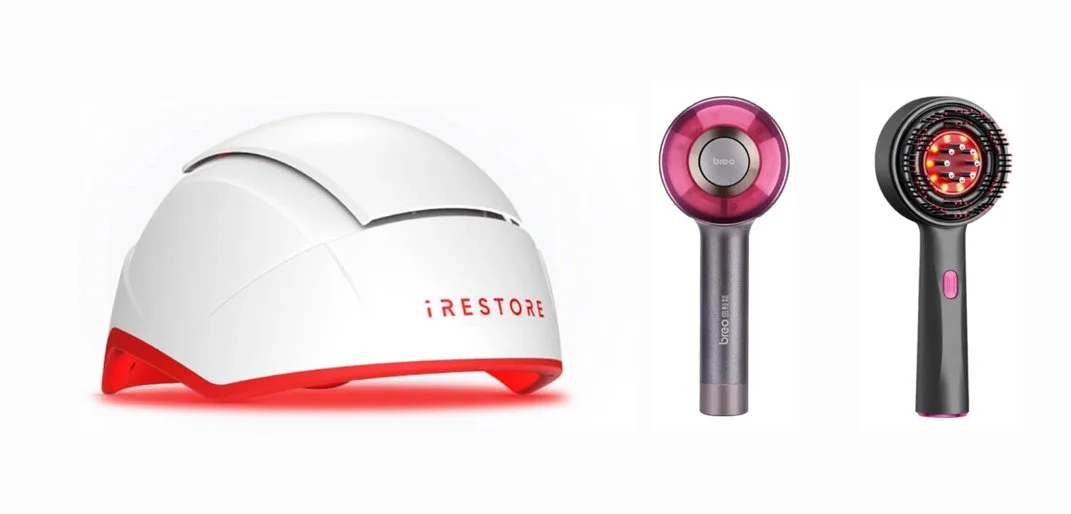
Many hair-growth caps, helmets, and combs are based on LLLT technology.
They may help support hair growth in some individuals, but results vary and are best viewed as part of a broader treatment strategy.
Lasers The most precise form of light treatment
Lasers use a single wavelength of light to target a specific structure within the skin.
Common applications include:
- Pigmentation
- Tattoo removal
- Vascular lesions
- Hair removal
- Skin rejuvenation
- Scar treatment
A laser is simply a tool. The real question is whether the right wavelength is being used for the right condition.
Light-based therapies have expanded the range of conditions that can be treated in modern dermatology.
As new technologies continue to emerge, choosing the right treatment often matters more than choosing the newest device.
Technology will continue to evolve. Good clinical judgment never goes out of style.
