Not Just a Bump: Understanding HPV Skin Infections
What is HPV?
Human papillomavirus (HPV) is an extremely common virus. It’s not only linked to the cervix—it also infects the skin.
When HPV enters the superficial layers of the skin, it triggers abnormal cell growth, forming what we commonly recognize as warts.
Common Types of Cutaneous HPV Infections
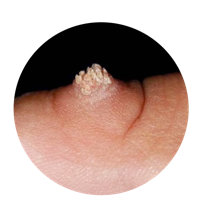
Common warts (Verruca vulgaris)
- Commonly found on fingers, hands, or around nails
- Rough, thickened surface
- May show tiny black dots
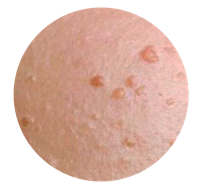
Flat warts (Verruca plana)
- Small, flat, skin-colored to light brown
- Common on the face and arms
- Easily spread through scratching or shaving
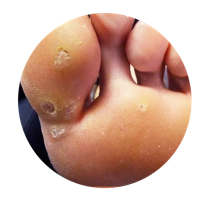
Plantar warts
- Located on the soles
- Painful with pressure
- Often mistaken for corns
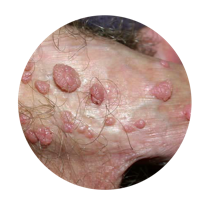
Genital warts (Condyloma acuminata)
- Caused by specific HPV subtypes
- Soft, cauliflower-like growths
- Found on genital, anal, or oral mucosa
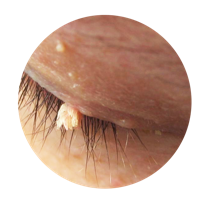
Filiform warts
- Common around the eyes, mouth, and neck
- Thin, thread-like projections
How Does HPV Spread?
HPV spreads through skin contact:
- Direct contact (touching, scratching)
- Shared towels, floors, or public surfaces
- More easily through tiny skin injuries
It’s not about being "unclean" — skin barrier health and exposure matter more.
Why Are Some People More Prone?
Common contributing factors include:
- Damaged skin barrier(dryness, over-cleansing)
- Stress and poor sleep
- Immune fluctuations
- Repeated friction or shaving
HPV exposure is common.
Whether it becomes visible is another matter.
What Happens If Left Untreated?
- Can persist for months to years
- Can gradually spread or increase
- May transfer to other skin areas or close contacts
Some may resolve spontaneously, but the timeline is unpredictable.
Do They Need Treatment?
Not always—but treatment is recommended when:
Flat warts: easy to miss, easy to spread Click here to find out more
- Lesions are increasing or spreading
- Located on the face or cosmetically concerning
- Painful (e.g., plantar warts)
- Persistent without improvement
Treatment Options
- Cryotherapy (liquid nitrogen)
- Laser treatment
- Topical medications (keratolytics, immunomodulators)
- Occasional surgical removal
Treatment is less about "eliminating the virus instantly" and more about making the skin less supportive of HPV.
Daily Care Tips
- Avoid picking or friction
- Do not share towels or razors
- Maintain skin hydration and barrier health
- Avoid excessive exfoliation or irritation
HPV skin infections are not just "random bumps."
They are virus - driven changes influenced by skin condition, habits, and environment. When lesions begin spreading or increasing, early treatment is often simpler and more effective.
References:
- DermNet
