Shingles Vaccine: Who Should Pause and Check First?
Shingles is often described as a blistering rash. But for many people, the lasting memory is the pain — burning, stabbing, electric, and sometimes lingering long after the skin has healed.
That is why the shingles vaccine has become an important topic, especially for older adults and people with weakened immune systems.
For most people, vaccination is safe and beneficial. For some, the timing may require a more individualized discussion.
What Is Shingles?
Shingles, or herpes zoster, is caused by the same virus that
causes chickenpox:
varicella-zoster virus.
After chickenpox, the virus can remain dormant in the nervous system for years. It may reactivate later in life, especially with aging, stress, illness, poor sleep or immune-suppressing treatments.
When it reactivates, it travels along a nerve and causes a painful, one-sided rash.
What Are the Symptoms?
This can lead to:
- Burning, tingling or electric pain
- Skin sensitivity
- Clusters of blisters
- A one-sided rash following a nerve pathway
- Fatigue or mild fever
Common sites include the chest, back, waist, face and eye area.
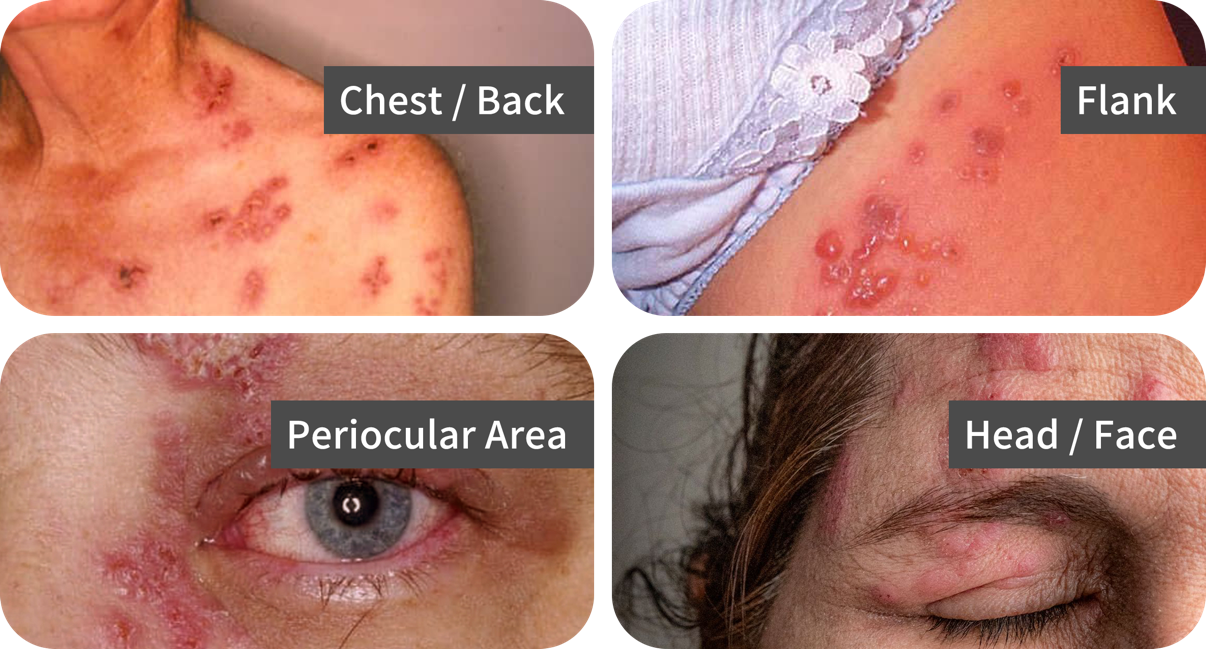
seen in herpes zoster. / Image source : DermNet
The main concern is post - herpetic neuralgia — nerve pain that continues after the skin has healed. The risk increases with age.
Why Get Vaccinated?
The goal of vaccination is not simply to prevent a rash. It is to reduce the risk of shingles, severe pain and long - term nerve complications.
The vaccine commonly used today is Shingrix, a recombinant
shingles vaccine. It is not a live vaccine, which makes it suitable for many adults, including some people with immune-related risks.
In general, it is recommended for:
- Adults aged 50 and above
- Adults aged 19 and above with weakened immunity, or those expected to become immunocompromised because of illness or treatment
A previous episode of shingles does not guarantee lifelong protection. Recurrence can happen, so vaccination may still be useful after recovery.
Who Should Be Assessed First?
Most people can receive the shingles vaccine without major concern. But the following situations deserve a medical review before vaccination.
1|Current Shingles Flare
If shingles is active, with fresh blisters, pain or inflammation, vaccination is usually delayed.
The current episode should be treated first. Vaccination can be
discussed again after the acute phase has settled.
2|Severe Allergy to the Vaccine or Its Components
Anyone who has had a serious allergic reaction to a previous dose, or to a vaccine ingredient, should not proceed without medical assessment.
This includes breathing difficulty, facial or throat swelling, collapse, shock or widespread hives.
3|Fever or Acute Illness
If there is a clear fever, significant infection or unstable health condition, vaccination is usually postponed.
This allows the body to recover first and avoids confusing illness symptoms with vaccine reactions.
4|Pregnancy or Breastfeeding
For pregnancy and breastfeeding, the issue is limited data rather than a known major danger.
In many cases, vaccination can wait. If there is a special medical reason to consider it earlier, the decision should be individualized with a doctor.
5|Immune Disease or Immune-Suppressing Treatment
People receiving chemotherapy, transplant medication, high - dose steroids, biologics or certain autoimmune disease treatments need more careful planning.
Because Shingrix is not a live vaccine, it may still be appropriate for many immunocompromised adults. But timing matters.
The best window should be discussed with the treating doctor.
What Side Effects Can Happen?
Common reactions include:
- Arm soreness
- Redness or swelling
- Fatigue
- Muscle aches
- Headache
- Chills or mild fever
Most settle within a few days and usually reflect the immune system responding to the vaccine.
The vaccine cannot prevent every case, but it can significantly reduce the risk of severe disease and long-term complications. For most adults over 50, vaccination is a reasonable preventive step.
For some, the timing may require a more individualized discussion.
The question is not only: "Should I get vaccinated?"
But also: "Is this the right time for me?"
References:
- DermNet
