Allergic Contact Dermatitis: The Role of Mango Peel
Every summer, dermatologists see patients with rashes after eating or handling mangoes.
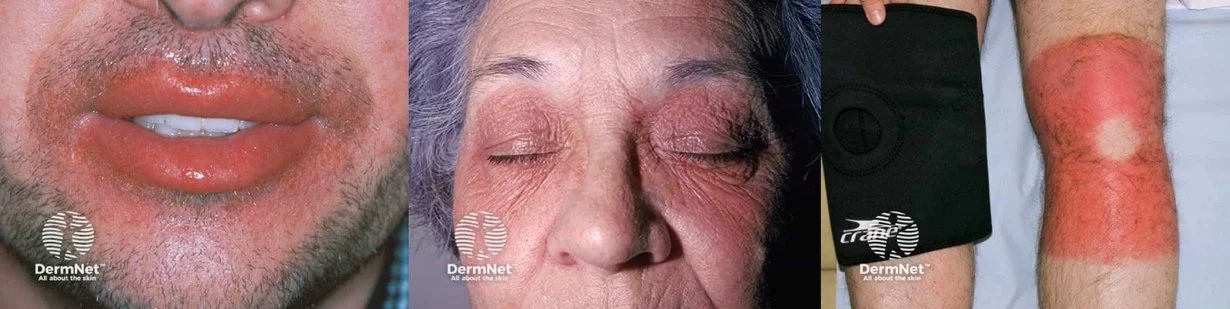
A rash around the lips or itchy hands after peeling the fruit is often caused by allergic contact dermatitis rather than a food allergy.
What Is Allergic Contact Dermatitis?
Allergic contact dermatitis is a delayed allergic skin reaction that occurs after the skin comes into contact with an allergen.
Symptoms typically develop 24–72 hours later and may include redness, itching, scaling, or small blisters, usually limited to the areas of contact.
Common triggers include metals, fragrances, hair dyes, preservatives, and certain plants—including mango peel.
Why Mango Peel Matters
Mango belongs to the Anacardiaceae family, along with poison ivy and poison oak. Its peel and sap contain urushiol-like compounds, which can trigger allergic contact dermatitis in susceptible individuals.
Symptoms usually appear 24–72 hours after skin contact, reflecting the delayed nature of this allergic reaction. By the time the rash develops, many people remember eating the mango but overlook the peel and sap that also came into contact with their skin.
Protecting Your Skin
For people who develop skin reactions after handling mangoes, minimizing contact with the peel and sap is the most practical way to reduce the risk of future flare-ups. Cutting the mango into bite-sized pieces before eating, rather than biting directly into the fruit with the peel attached, can help limit skin exposure.
Recurrent reactions should be evaluated by a dermatologist. Patch testing may be recommended to confirm allergic contact dermatitis and identify the relevant allergen.
How to identify skin allergies:3 simple skin tests Click here to find out more
References:
- DermNet
